
Choosing your first ukulele should be an exciting moment; however, many beginners quickly discover that the process can feel overwhelming.
With so many sizes, woods, prices, and brands available, it becomes difficult to know what truly matters. Because of this, many beginners end up buying an instrument that doesn’t fit their needs, doesn’t stay in tune, or simply isn’t enjoyable to play. Therefore, this guide will walk you through each step in a clear and logical order, ensuring that every decision naturally leads to the next. As a result, you’ll feel confident, informed, and ready to choose an instrument that inspires you.
This guide cuts through the noise and gives you a simple, clear path to choosing a ukulele that:
- sounds good
- stays in tune
- feels comfortable
- fits your budget
- and makes you want to play every day
Let’s walk through everything step by step.
1. Start by Choosing the Right Size
The first and most important decision is the size of your ukulele. Although all ukuleles share the same spirit and sound, each size offers a different playing experience. Therefore, understanding these differences will help you choose the one that feels most natural in your hands.
The four main sizes:
Soprano
- Smallest size
- Classic “ukulele sound”
- Bright and cheerful
- Best for: kids, small hands, traditional Hawaiian tone
Concert
- Slightly larger
- Louder and fuller sound
- Easier to play for most adults
- Best for: beginners, everyday playing
Tenor
- Even bigger body
- Warm, rich tone
- More room on the fretboard
- Best for: players with larger hands, singing accompaniment
Baritone
- Deepest sound
- Tuned like the top four strings of a guitar
- Best for: guitar players switching to uke

Ukulele Size Comparison Table
| Size | Scale Length | Sound | Best For | Pros | Cons |
|---|---|---|---|---|---|
| Soprano | 21″ | Bright, classic uke sound | Kids, small hands, traditional Hawaiian tone | Light, portable, cheerful tone | Small fret spacing, less volume |
| Concert | 23″ | Fuller, warmer, louder | Most beginners | Comfortable size, balanced tone | Slightly larger than soprano |
| Tenor | 26″ | Deep, rich, resonant | Singers, larger hands | More room on fretboard, strong projection | Bigger body, higher price |
| Baritone | 30″ | Deep, guitar‑like | Guitar players switching to uke | Warm tone, easy transition from guitar | Different tuning (DGBE), not ideal for beginners |
Because the Concert ukulele offers a balance of comfort, tone, and playability, it is generally the best choice for most beginners. Furthermore, it provides enough fretboard space without feeling too large, which makes learning significantly easier.
👉 If you’re unsure, choose a Concert ukulele, because it’s the most comfortable and versatile size for beginners.
If you would like to read more about the different ukulele types and their specific characteristics, then you can continue to this post: Ukulele types

2. Decide on a Realistic Budget
Once you know which size you prefer, the next step is choosing a budget. While it may be tempting to buy the cheapest ukulele you can find, extremely low‑priced instruments often cause more frustration than joy. They may look fine at first, but they usually struggle with tuning stability, intonation, and overall playability.
To make this easier, here is a simple breakdown:
Under $40
These instruments are often more like toys than real ukuleles. They can be fun for children, but they rarely stay in tune and are not recommended for serious beginners.
$50–$100
This is where you start finding decent beginner instruments. They are playable, reliable, and perfect for someone who wants to learn without spending too much.
$100–$200
This is the best value range. Ukuleles here have better craftsmanship, improved tone, and more consistent tuning. As a result, they are perfect for beginners who want a quality instrument, and most well‑known beginner brands fall into this category.
$200+
These ukuleles offer excellent tone and build quality. Although they are more expensive, they are ideal for players who want to invest in a long‑term instrument.
Because beginners benefit most from a balance of quality and affordability, the ideal starting range is $70–$150.
On the other hand, if you already own a cheap ukulele, then make sure to read this post: Cheap Ukulele – all about them and how to improve them
3. Look for the Features That Actually Matter
After choosing your size and budget, it’s time to focus on the features that actually influence your playing experience. Although ukuleles come with many options, only a few of them make a meaningful difference.
✔ Aquila Nylgut Strings
These strings provide warm tone and excellent tuning stability. Therefore, they are highly recommended for beginners.
If you want to dive deeper into ukulele strings and their different qualities, then simply continue to this post: Ukulele strings
✔ Quality Tuning Machines
Good tuners help your ukulele stay in tune longer. Conversely, cheap friction tuners make tuning difficult and unreliable.
✔ Smooth Fretboard Edges
Sharp fret ends can make playing uncomfortable. Consequently, a smooth, well‑finished fretboard is essential.
✔ Straight Neck
If the neck is warped, the ukulele will never play correctly. Therefore, always check for a straight neck.
✔ Comfortable Action
Action refers to the height of the strings above the fretboard. If it’s too high, the ukulele is hard to play; if it’s too low, it may buzz. As a result, proper action is crucial.
By focusing on these features, you avoid the common traps that lead to poor‑quality instruments.
4. Additionally, Learn the Essential Ukulele Wood Types Without Overthinking Them
When choosing your first ukulele, it’s easy to get overwhelmed by all the different wood types. However, beginners don’t need to understand every technical detail. Instead, it’s far more useful to focus on the three main categories, since each one influences tone, durability, and price in predictable ways. By understanding these basic differences, you can choose a beginner ukulele that sounds great, lasts long, and fits your budget.
Laminate Wood
Most beginner ukuleles are made from laminate, and this is actually a good thing. Because laminate is built from multiple layers of wood, it is naturally more durable, more affordable, and far more resistant to humidity changes. As a result, laminate ukuleles offer consistent tone and excellent stability, which makes them ideal for new players who simply want a reliable instrument that stays in tune and handles everyday use without issues.
Solid Top
A solid‑top ukulele, however, takes sound quality a step further. Since the top is made from real, single‑piece wood, it vibrates more freely and produces a noticeably richer, warmer, and more resonant tone. Furthermore, the sound often improves over time as the wood opens up. Therefore, solid‑top ukuleles are a fantastic upgrade for beginners who want better projection and a more expressive tone without paying for a fully professional instrument.
All Solid Wood
Finally, all‑solid ukuleles deliver the most natural, dynamic, and resonant sound. Because every part of the instrument is made from real wood, the tone becomes deeper, fuller, and more responsive. However, these ukuleles are also more expensive and more sensitive to humidity. As a result, they are usually best suited for long‑term players who want premium sound quality and are willing to care for the instrument properly.
Because of all this, beginners will get the best balance of tone, durability, and value by choosing either a laminate ukulele or a solid‑top ukulele. Both options are beginner‑friendly, while solid‑top models offer a clear and inspiring improvement in sound for those who want a more musical and rewarding playing experience.
5. Meanwhile, Avoid the Most Common Beginner Mistakes
As you compare different models, it’s easy to fall into a few common traps. To help you avoid them, here are the mistakes beginners make most often:
❌ Buying the cheapest ukulele available
❌ Choosing a soprano when they actually need more finger space
❌ Ignoring tuning stability
❌ Buying a ukulele with no reviews
❌ Choosing based on color instead of quality
Although appearance matters, playability matters far more.
6. Furthermore, Consider Whether a Starter Kit Is Right for You
Starter kits can be a great value, especially if they include useful accessories. However, not all kits are created equal.
Good Kits Include:
- A tuner (If not, use your phone.)
- Extra strings
- A strap
- A padded gig bag
Avoid Kits With:
- Plastic ukuleles
- No‑name brands
- Low‑quality strings
If the kit includes a decent ukulele and helpful accessories, it can be an excellent choice for beginners.
Link to Starter Kits from Amazon.
7. Finally, Here Are Some Recommended Beginner Ukuleles
These models consistently perform well for new players and offer a great balance of tone, comfort, and reliability. However, it’s also important to remember that the ukulele market is much broader than the few examples listed here. In fact, there are many additional brands and models that deliver excellent quality as well. Therefore, you should view the suggestions below as helpful starting points rather than a complete list. As you continue exploring different options, you may discover other instruments that suit your preferences just as well — or perhaps even better.
Budget
- Donner DUC‑1
- Kmise Concert Ukulele
Donner DUC‑1 – Best Budget Choice
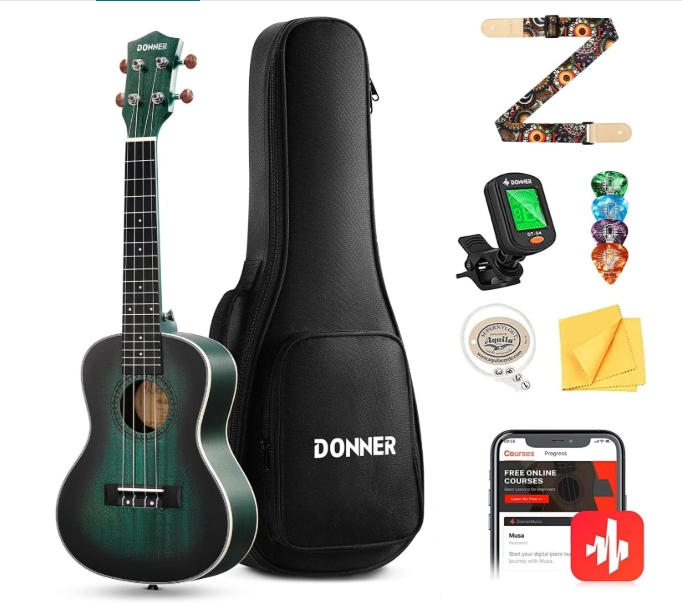
The Donner DUC‑1 offers impressive value for beginners, and it delivers a warm tone, solid build quality, and comfortable playability. Therefore, it remains one of the most popular entry‑level ukuleles.
Kmise Concert Ukulele – Affordable & Reliable
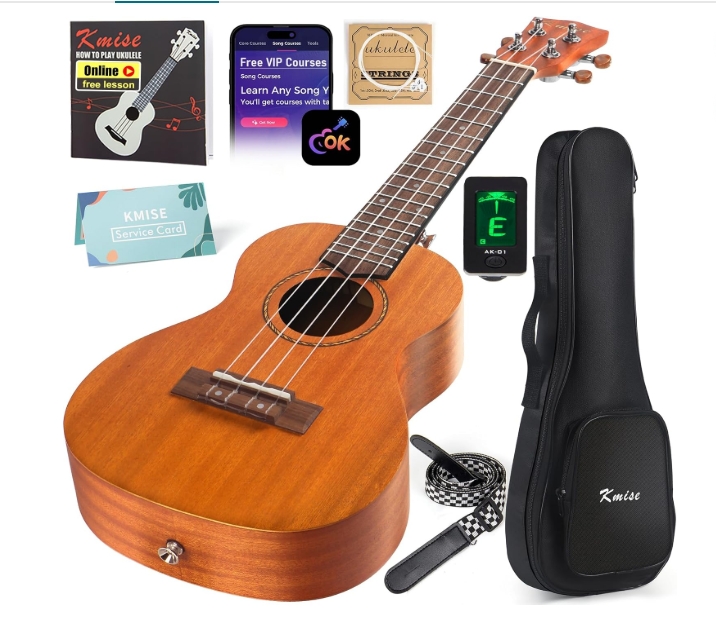
The Kmise Concert Ukulele performs surprisingly well for its price. In addition, it stays in tune, feels comfortable, and gives beginners a smooth start.
Mid‑Range
- Kala KA‑15C
- Enya Nova U
- Flight TUS or TUC series
Kala KA‑15C – Trusted Mid‑Range Quality
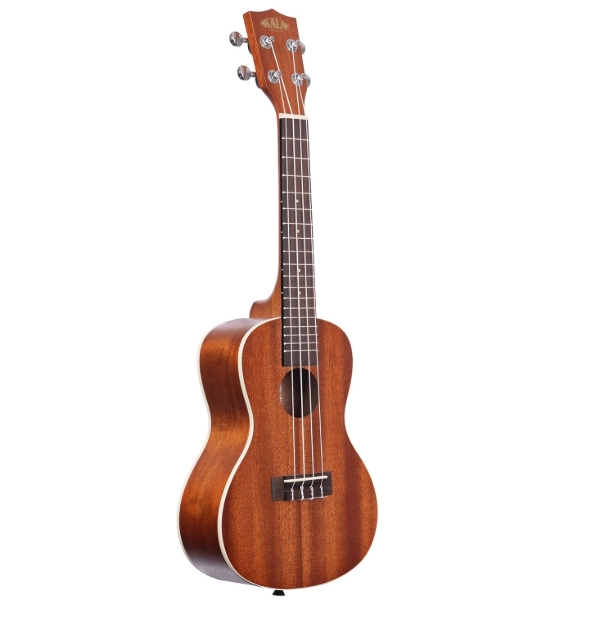
The Kala KA‑15C consistently delivers warm tone, excellent craftsmanship, and reliable tuning stability. Therefore, it is a strong choice for players who want something better than entry‑level.
Check PriceEnya Nova U – Modern & Durable
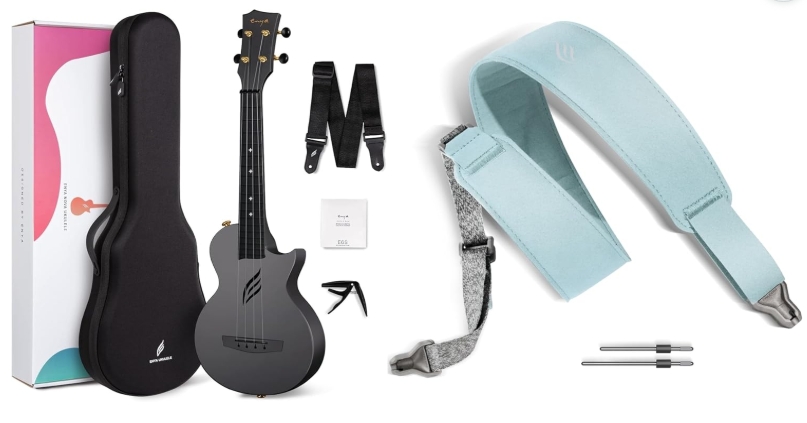
The Enya Nova U stands out with its carbon‑fiber design, bright tone, and long‑lasting durability. As a result, it is perfect for beginners who want something stylish and maintenance‑free.
Check PriceFlight TUS/TUC – Nearly Indestructible Travel Ukuleles
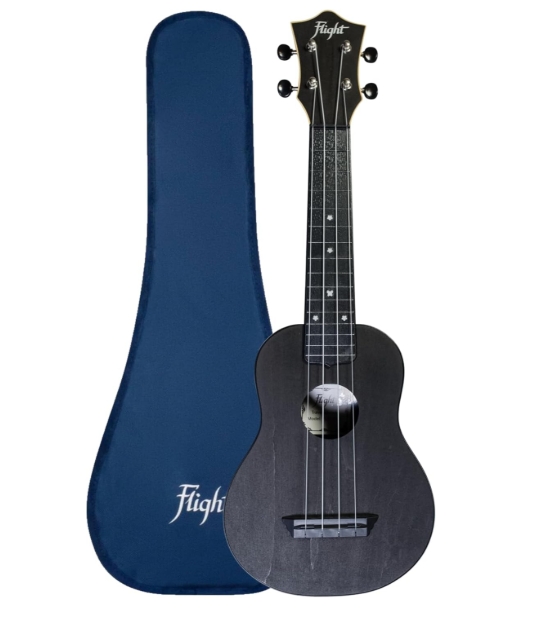
The Flight TUS/TUC series is extremely durable, lightweight, and ideal for travel. Furthermore, they offer surprising projection and clarity for their size.
Check PriceQuality Starter
- Ohana SK/CK series
- Kala Solid Top models
Kala Solid Top – Fuller, Warmer Tone
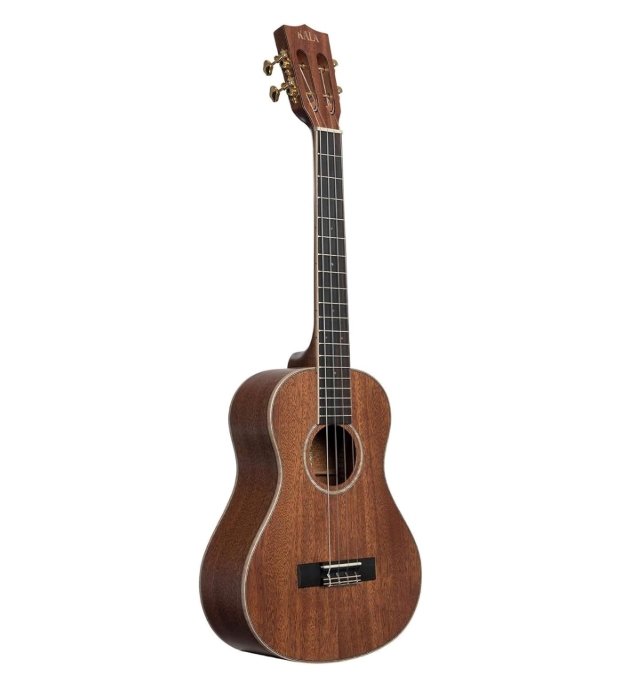
Kala’s solid‑top models produce a richer, more resonant sound. Consequently, they are perfect for beginners who want a noticeable upgrade in tone without jumping into high‑end prices. The picture shows a more expensive Solid Mahogany Super Tenor Ukulele.
Check PriceThese models offer a great balance of tone, comfort, and reliability.
Conclusion: Choose the Ukulele That Inspires You
Ultimately, the best ukulele for a beginner is the one that:
- feels comfortable
- stays in tune
- sounds good to your ears
- and makes you excited to play
If you keep these principles in mind, you’ll choose an instrument that supports your learning journey and brings you joy for years to come. Consequently, your first ukulele will become not just a tool, but a companion on your musical adventure.
https://basicukulele.com/concert-and-tenor-ukulele/
https://basicukulele.com/ukulele-setup/
https://basicukulele.com/bridge-saddle-and-nut/
Ukulele for Beginners with Basic Ukulele – Basic Ukulele
As you continue learning about how to choose your first ukulele, it becomes increasingly helpful to explore a few closely related topics that expand your understanding even further. Therefore, if you want a clearer picture of how different ukulele sizes compare, how proper setup affects playability, and how essential parts like the bridge, saddle, and nut influence tone, then you should also read the following posts. In addition, each article builds on what you’ve learned here, so you gain a more complete and practical understanding of your instrument from the very beginning.
- Ukulele types
- Cheap Ukulele – all about them and how to improve them
- Ukulele strings
- Concert and Tenor Ukulele – What’s the Difference?
- Ukulele Setup – Why It Matters and How It Works
- Bridge, Saddle and Nut – The Parts That Shape Your Sound
- Ukulele for Beginners – Complete Guide
Please note:
Please note that Basic Ukulele is an independent website, and therefore we do not receive support from sponsors or partners. As a result, the only way we earn a small amount of income to keep the site running is through the Google ads that appear in our posts. Consequently, we truly appreciate every click you choose to make, especially if the ads are helpful or relevant to what you are learning. In addition, your support allows us to continue creating free ukulele content for players all around the world. Thank you so much for helping us stay online.
(We would also like to clarify that we do not control or own the advertising shown inside the videos.)
Finally, Basic Ukulele was founded in 2015 with the goal of making it easier for anyone to learn, explore, and enjoy this wonderful instrument. Since then, we have continued to grow, and we remain dedicated to providing simple, practical, and beginner‑friendly ukulele guidance for everyone.